

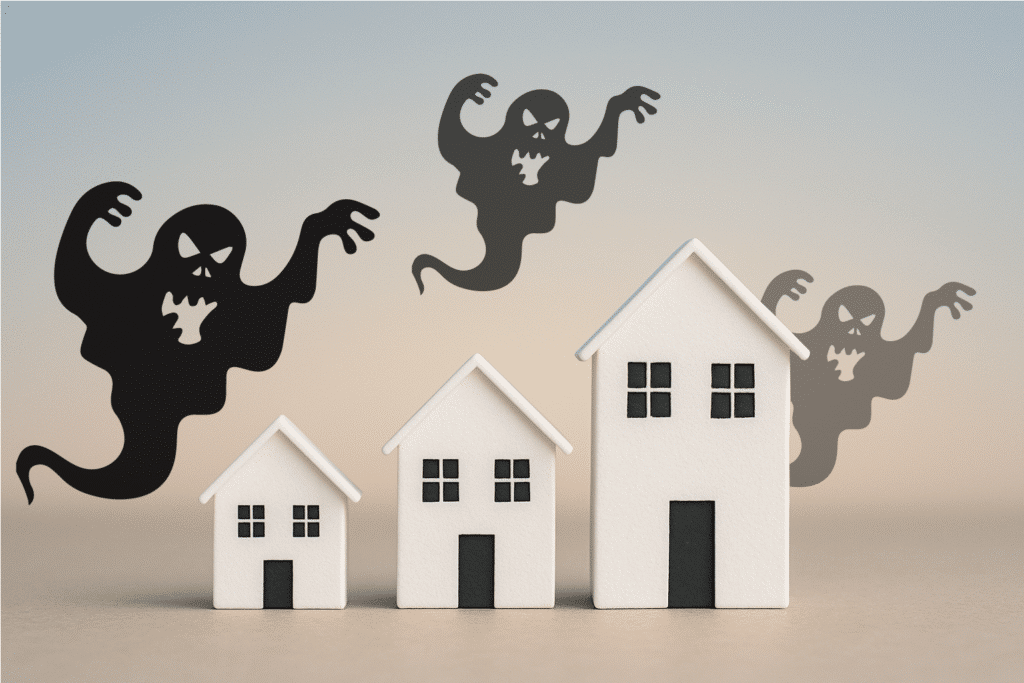
Raising rent is one of the most sensitive parts of property management. It’s necessary to keep up with inflation, maintenance costs, and market conditions, but it can easily create tension between property managers and residents. That’s why handling rent increases without spooking your residents is an essential skill for every property manager looking to balance financial needs with strong resident relationships.
1. Explain the Reasons Behind Rent Increases
Before any increase is communicated, it’s essential that the reasons behind it are clearly understood and documented. Rising property taxes, insurance premiums, and utility costs often compel property owners to adjust rental rates. According to the U.S. Bureau of Labor Statistics, shelter costs rose by about 3.6% between August 2024 and August 2025. Balancing these rising expenses with property maintenance standards and resident satisfaction can be a significant challenge for property managers.
When rent increases become unavoidable, understanding and communicating the “why” is fundamental to maintaining resident trust. Providing transparent, well-explained information about the reasons for the changes makes a meaningful difference. Residents are far more likely to accept adjustments when they see that the decision is not arbitrary but based on real financial pressures and unavoidable trends that, if ignored, could lead to a decline in unit quality or overall resident experience.
2. Avoid “Jump Scares”: Pick the Right Moment
When it comes to raising rent, timing matters. The news should be delivered with ample notice and clear context. While many states require 30-90 days’ notice, offering more time signals respect and helps residents prepare. Announcing an increase during lease-renewal periods or shortly after visible property improvements can also reduce friction.
Beyond timing, framing the rent increase strategically can make all the difference. If you’re asking residents to pay more, it helps to show added value in return and this doesn’t always mean major renovations. Small but meaningful improvements can make a big difference in resident perception. Think upgrading common areas or landscaping, introducing a resident portal for easier rent payments and maintenance requests or hosting occasional resident events or offering loyalty discounts for long-term resident.
This approach isn’t just intuitive – it’s backed by research. A Swiss experiment published in Energy Economics found that roughly 70% of residents were willing to accept a rent increase when it was tied to introducing improvements that enhanced energy efficiency. Industry groups, such as the National Apartment Association, likewise encourage linking adjustments to tangible enhancements. Highlighting new amenities like an added bike rack or upgraded security helps residents see the value they’re receiving.
3. Personalize the approach
Each resident’s situation is unique, and a one-size-fits-all approach can easily backfire, especially in smaller communities. The key is to handle rent increases with flexibility and empathy, showing residents that you value their individual circumstances.
For long-term residents who consistently pay on time or contribute positively to the community, consider offering a softer transition, such as a modestly smaller increase or a targeted renewal incentive. For those in more challenging financial situations, a phased increase splitting the adjustment over several months can make the change easier to manage. This type of personal approach shows residents they’re valued as individuals, not just as monthly income.
Listening to your residents’ needs and preferences can also guide your strategy. A study by The Motley Fool found that more than half of residents would be willing to pay more if flexible payment options were available, and over 60% said they’d pay more for flexible lease terms. By tuning in to what matters most to your residents and incorporating that feedback into your approach, you can turn a potentially tense conversation into an opportunity to build trust and long-term loyalty.
4. Be Ready for Difficult Conversations
How you deliver the news of a rent increase matters just as much as the increase itself. The written notice sets the tone, so it should be clear, polite, and professional. Avoid language that feels overly formal or cold, but stay transparent and composed rather than overly emotional. A brief explanation of the reason behind the increase can go a long way toward building trust and understanding. For practical tips and a helpful checklist for writing a rent increase letter, check out this article from Property Manager Insider.
But even with careful planning and a well-crafted notice, not all residents will take rent increases lightly. Some may respond emotionally or threaten to move out. Be prepared for follow-up conversations as some residents may want to discuss their situation in person or express frustration. Approach these interactions with empathy and professionalism. Listen to their concerns, acknowledge their feelings, and provide reassurance through transparency. Having your data ready with you will help you demonstrate the necessity of the change.
If possible, discuss personalized options, as described earlier. Offering flexible payment plans, phased increases, or short-term lease extensions can turn a tense exchange into a constructive one. These solution-oriented discussions not only ease immediate tension but also strengthen long-term resident relationships.
5. Maintaining Resident Trust After the Increase
The challenges of a rent increase don’t end once the notice is delivered, if anything, the real test begins afterward. The period following an increase is when your relationship with residents is most vulnerable, and how you engage with them can make all the difference.
Continued communication and responsiveness are key to rebuilding trust and maintaining satisfaction. Follow up after the increase to check in on how residents are adjusting. Stay proactive with maintenance requests and respond promptly to show that their rent dollars are being put to good use.
6. Use Rent Increases as a Tool for Long-Term Stability
While many property managers dread the rent increase process, it can be an opportunity to strengthen resident relations. Consistent, moderate adjustments are healthier for everyone than sudden, steep jumps. Small annual increases of 2-4% tend to be more manageable and less disruptive.
In the multifamily industry, resident turnover is costly, often equating to two or three months of lost rent once marketing, cleaning, and vacancy time are considered. Keeping residents happy while staying financially sustainable is the balance every successful property manager must strike.
Ultimately, how property managers can handle rent increases while keeping good relations with residents comes down to communication, fairness, and empathy. Rent adjustments may be unavoidable, but the way they are presented can make all the difference between a resident who renews and one who leaves.
Rent increases are a natural part of property management, but they don’t have to damage resident relationships. When handled thoughtfully with honesty, preparation, and a focus on providing value handling rent increases without spooking your residents becomes entirely possible. In fact, a well-managed increase can build trust and strengthen your property’s reputation for professionalism.
You may also be interested in: